


Comparison of Cleanroom Lighting and Conventional Lighting in Different Locations

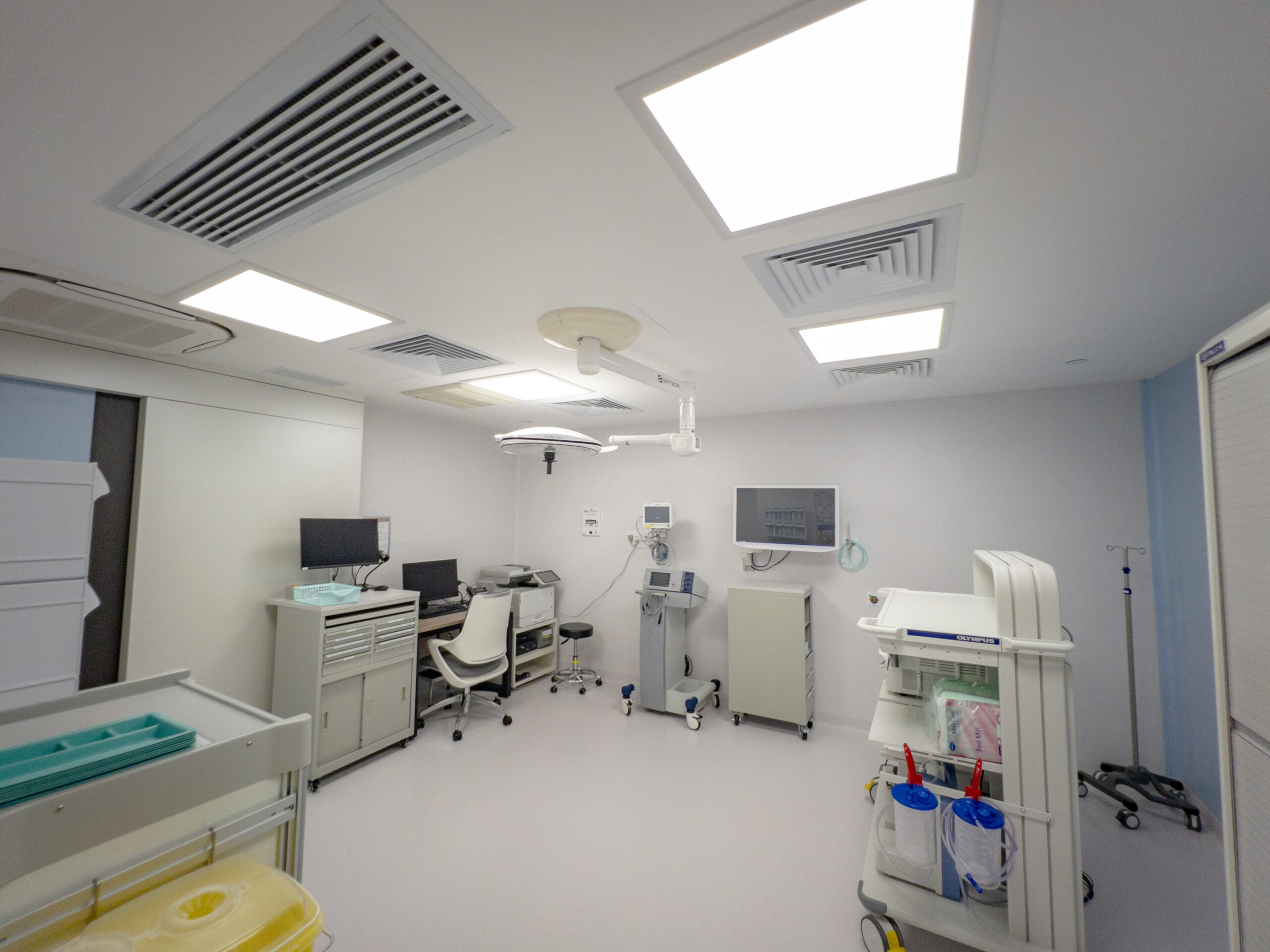
1. Applicable Settings for Cleanroom Lighting
(4 Major Real-World Scenarios, Must Use Purified Cleanroom Lights)
Scenario 1: Pharmaceutical GMP Sterile Production Area (ISO 5~7 / Class 100~10,000)
Injection filling workshop, sterile API workshop, vaccine filling room, sterile QC laboratory; environment sterilized daily with VHP hydrogen peroxide fumigation and 75% alcohol full-space wiping. No dust accumulation, no shedding, no bacterial growth allowed. Lighting must be fully sealed, seamless and rounded, and resistant to strong corrosion and disinfection.
Scenario 2: Microelectronics / Semiconductor Dust-Free Workshop (ISO 4~6)
Chip wafer manufacturing, SMT patch dust-free rooms, optical lens assembly rooms, LCD dust-free assembly areas; environment requires constant temperature and humidity, and anti-static control. Tiny dust can cause component short circuits. Lighting must be anti-static, without heat dissipation openings, low UV, and smooth without dust-collecting dead corners.
Scenario 3: Food / Cosmetic Clean Filling Area (ISO 7~8 / Class 100,000)
Sterile beverage filling, dust-free baking packaging, sterile skincare product filling workshops; production area requires water cleaning and periodic ozone sterilization. Lighting must be waterproof IP65, mold-resistant, and easy to wipe.
Scenario 4: Medical Clean Rooms
Operating rooms, transplant wards, ICU, sterile medical consumable assembly rooms; high color rendering Ra≥90, antibacterial and sealed, meeting hospital infection control requirements.
Supporting Areas: Clean corridors, buffer rooms, and changing rooms also use the same cleanroom lighting.
2. Applicable Places for Conventional Lighting Fixtures
(Civil / General Industrial, ordinary grid lights, ceiling lights, and industrial & mining lamps are sufficient)
Scenario 1: Civil Buildings
Residential living rooms and bedrooms, shopping mall floors, ordinary office areas in office buildings, school classrooms; pursuing cost-effectiveness and decorative appeal, no sterilization or dust control requirements. Grid lights, chandeliers, and ordinary flat ceiling lights can be used.
Scenario 2: Ordinary Non-Clean Industrial Workshops
Hardware processing workshops, raw material storage warehouses, ordinary packaging workshops, machining plants; dust is not controlled, periodic washing and disinfection are not required. Ordinary industrial & mining lamps, tri-proof lights, and grid fluorescent lights can be selected.
Scenario 3: Public Supporting Areas
Underground garages, corridors, exposed outdoor parks, farmers’ markets; lighting fixtures focus on moisture resistance and low cost, without sealed or seamless design.
3. Logic Comparison Table for Venue Selection
| Project Item | Cleanroom usage environment (with cleanroom lighting) | Standard general environment (with regular lighting fixtures) |
| Cleanliness Level | ISO Class 5~9, GMP sterile control, dust and bacteria control | No cleanliness rating, no microbial control |
| Environmental disinfection and sterilization | Regular fumigation and wiping with hydrogen peroxide, ozone, and peracetic acid | Daily mopping with plain water, no chemical disinfection |
| Environmental Risk | Dust / bacterial fallout can cause product waste and medical contamination | Dust accumulation only affects appearance and does not affect product quality. |
| Ceiling structure | Color steel clean board ceiling, FFU purification keel ceiling | Gypsum board / aluminum buckle board common ceiling |