
How to choose the style of home decorative lighting fixtures

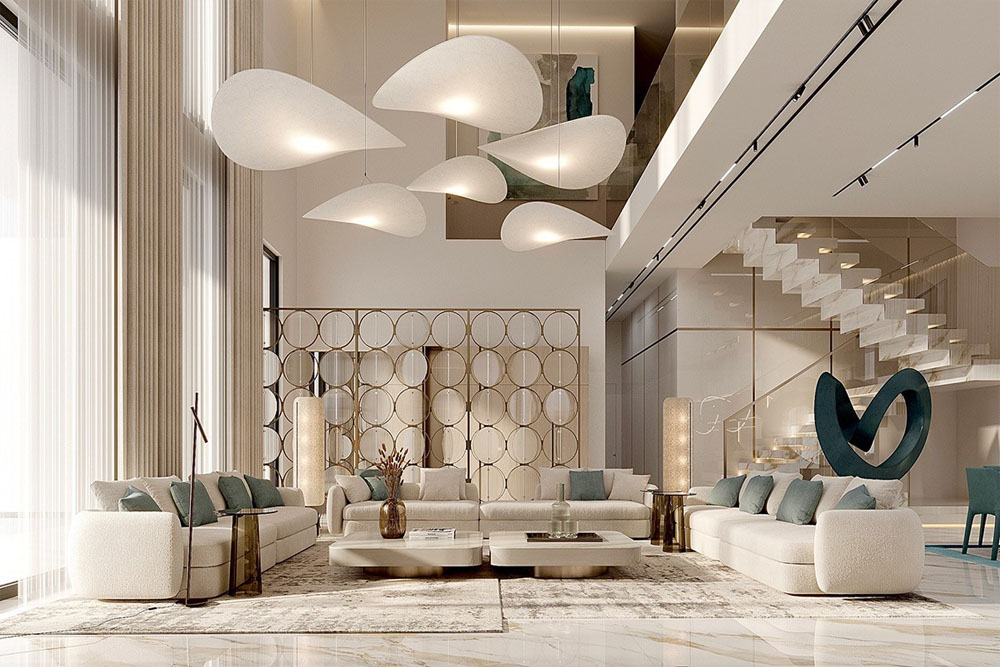
Choosing the style of home decorative lighting fixtures is a process that combines functionality, aesthetics, and the personality of the space. Here is a systematic guide to help you find the lighting style that suits you best:
- Core Principle: Set the Tone First, Then Choose the Details
The style of lighting fixtures should be in harmony with the overall home decor, or act as a perfect accent. First, clarify the main decoration style of your home:
| Home Style | Suitable lighting style | Material and Feature Recommendations |
| Modern Minimalist | Clean lines, geometric shapes (spheres, cubes, linear light strips) | Metal (black, silver, copper), glass, acrylic; focus on no-main-light design and indirect lighting |
| Nordic style | Natural materials, soft shapes (paper lamps, fabric lamps, wooden chandeliers) | Oak, rattan, cotton and linen; the lighting is soft, mostly using warm white light. |
| Industrial style | Vintage metal, exposed structures (Edison bulbs, track lighting, wire mesh covers) | Wrought iron, brass, aged finish; paired with exposed piping and tungsten filament lights |
| New Chinese style | Symmetrical design, natural materials (solid wood frame, bamboo weaving, ceramic lampshade) | Dark wood, Xuan paper, and ink elements; avoid being too complicated, may opt for a modern Chinese-style adapted version. |
| Affordable luxury style | Exquisite decorative elements (crystal chandeliers, metal trim, velvet lampshades) | Brass, crystal, marble; focusing on glossiness and layered lighting |
| Rustic/Wabi-Sabi Style | Handcrafted feel, simple materials (clay lamps, pleated paper lamps, dried branch shapes) | Matte material, natural texture; warm and soft lighting |
2. Selection Based on Space Function
Different areas need to balance lighting requirements and style consistency:
2.1 Living Room
• Main Light: The main light sets the style. For ceiling heights over 3m, a chandelier can be chosen; for lower ceilings, a flush mount or track lighting group can be used.
• Auxiliary Light: Choose a designer floor lamp next to the sofa (reading corner), and use wall sconces or wall-washing light strips to create ambiance.
• Tip: For a light luxury style, you can choose a crystal chandelier; for a Nordic style, use fabric pendant lamps or rattan floor lamps.
2.2 Dining Room
• Chandelier: Prefer low-hanging chandeliers (70-90cm above the table), with designs that can be linear for long tables or clustered for round tables.
• Style: For industrial style, use iron chandeliers; for modern style, colorful glass chandeliers can be chosen to add vibrancy.
2.3 Bedroom
• Main light: Avoid glare; you can choose a ceiling light or hidden light strips.
• Bedside lamp: Double wall lamps save space. For a Nordic style, pair with a woven pendant light; for a light luxury style, use metal materials.
• Tip: Choose a color temperature of 2700K-3000K warm yellow light to promote relaxation.
2.5 Study Room
• Main Light: Simple ceiling light, with an eye-protection desk lamp on the study desk (material matching the desk).
• Style: Modern style can choose a metal retractable wall lamp, while Scandinavian style uses a wooden desk lamp.
3. Key Details and Pitfall Avoidance Guide
3.1 Color Temperature and Color Rendering
• 3000K warm yellow light (cozy atmosphere), 4000K neutral light (living room, kitchen), >5000K cool white light (use with caution in study or bathroom).
• Color Rendering Index (RA) >90, can accurately reproduce the colors of objects.
3.2 Proportion and Scale
• Chandelier diameter ≈ (Room length × width) ÷ 12 (Unit: meters)
• Hanging height: For the living room, the bottom of the chandelier should be at least 2.1m above the floor; for the dining room, the chandelier should hang 70-90cm above the table.
3.3 Materials and Maintenance
• Crystal chandeliers need regular cleaning, fabric lampshades easily collect dust, and hollow designs should be avoided in the kitchen.
• Choose LED energy-saving lights and pay attention to designs with adjustable brightness.
3.4 Mixed Style Tips
• On the premise of keeping the base color tones unified, you can add 1-2 ‘standout’ light fixtures (for example, hanging a vintage industrial wall lamp in a modern space).
• Using the same material (such as brass elements) to echo across different rooms can enhance the overall cohesion.
4. Three-Step Decision Method
• Define the overall style: Start with the main tone of your home decor to avoid the lighting fixtures standing out on their own.
• Layered lighting planning: Ensure that each space combines ‘basic lighting, task lighting, and decorative lighting.’
•Physical experience: When selecting lights online, pay attention to real-life photos, or visit showrooms to observe the quality of the light source.
5. Inspiration Reference Combinations
• Modern Minimalist Apartment: Magnetic track lights (living room), geometric pendant lights (dining room), hidden light strips (bedroom)
• Nordic-style Small Home: White Ph5 pendant light (dining room), rattan bedside pendant light, wool felt table lamp
• Industrial Loft: Exposed bulb string lights (living room), iron pipe bookshelf wall lamp, vintage mechanical arm desk lamp
Ultimately, lighting is not just a tool for illumination, but a ‘light and shadow sculpture’ in the space. While ensuring functionality, choosing designs that make you feel comfortable and happy is what truly lets your home radiate unique charm.